
Industrial Property Insights: Key Factors Affecting Factory Value in Klang
A factory for sale Klang buyers consider today is not just about price, but understanding what truly drives industrial property value. In a competitive market like Klang, where industrial activity continues to expand, choosing the right property requires more than a quick comparison of prices. Many buyers focus only on cost, but experienced investors and business owners know that long-term value depends on a combination of location, usability, infrastructure, and future growth potential.
Factories in Klang have become increasingly attractive due to their strategic positioning within Selangor’s industrial network. However, not every property offers the same advantages. Knowing how to evaluate a factory properly can make the difference between a strong investment and a costly mistake.
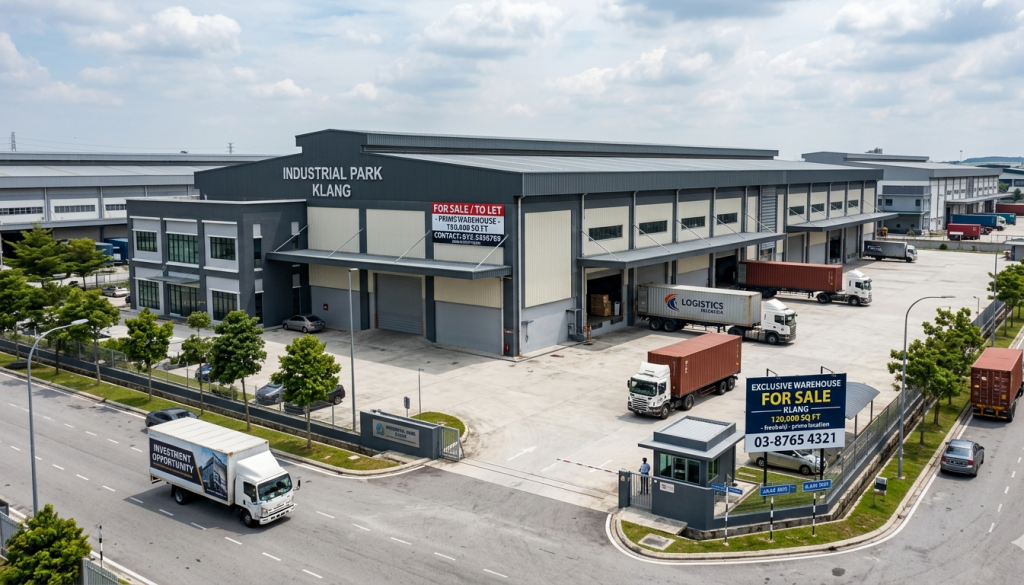
Why Location in Klang Still Drives Most of the Value
Even within Klang itself, not all industrial areas perform equally. Some zones are closer to major highways, ports, and commercial hubs, making them far more efficient for logistics and operations. For businesses that depend on transportation, even small differences in distance can translate into significant cost savings over time.
Buyers should look beyond the general “Klang” label and assess the specific area. Is the factory near key routes? Is traffic manageable for heavy vehicles? Are suppliers and services easily accessible? These are the kinds of practical considerations that directly affect daily operations and long-term value.
A well-located factory will always remain in demand, not only for business use but also for resale or rental opportunities in the future.
Functionality Matters More Than Just Size
A common mistake buyers make is assuming that a larger factory automatically means better value. In reality, usability often matters more than total square footage. A factory with a well-planned layout can support smoother operations, better workflow, and higher efficiency.
For example, proper loading and unloading areas, sufficient ceiling height, and logical space allocation between production and storage can significantly impact productivity. On the other hand, a poorly designed space may require costly modifications before it becomes fully usable.
Experienced buyers evaluate how the space works in practice, not just how big it is on paper.
Condition and Infrastructure Can Change the Real Cost
The listed price of a factory does not always reflect its true cost. Older buildings may appear more affordable upfront, but hidden issues such as outdated wiring, roofing wear, or structural weaknesses can quickly add to expenses.
In Klang, where many industrial properties have been in use for years, it’s especially important to inspect the condition carefully. A well-maintained factory with updated systems can save both time and money, allowing operations to begin without major delays.
Rather than focusing only on price, buyers should consider the total investment required to make the property fully functional.
Access and Logistics Are Often Underrated
Accessibility is one of the most underestimated factors when evaluating industrial property. A factory might look perfect on paper, but if it is difficult for trucks to enter, exit, or navigate the surrounding roads, it can create daily operational challenges.
In industrial areas like Klang, smooth logistics is essential. Easy access to highways, efficient traffic flow, and proximity to distribution points all contribute to the overall value of the property.
This is why experienced investors often prioritize accessibility even over minor differences in price—it directly affects business performance.
Future Development Shapes Long-Term Value
Another key factor that separates average investments from strong ones is future potential. Industrial areas do not remain static. New infrastructure projects, business expansions, and government planning can significantly influence property value over time.
Klang continues to develop as a major industrial hub, and properties located in areas with ongoing or planned growth tend to appreciate faster. Buyers who take the time to understand future developments often position themselves ahead of the market.
Looking beyond current conditions and thinking long-term is what defines a strategic purchase.
Conclusion
Evaluating a factory is not just about comparing listings—it requires a deeper understanding of what drives value in the long run. In Klang’s industrial market, location, functionality, condition, accessibility, and future growth all play critical roles.
By focusing on these factors, buyers can make more confident decisions and avoid common pitfalls. Whether the goal is business expansion or investment, choosing the right factory is ultimately about balancing present needs with future potential.
A well-chosen property does more than serve immediate operations—it becomes a long-term asset.
More Info
Learn more about industrial property opportunities:
https://selangorfactoryandland.com/
Explore more insights:
https://selangorfactoryandland.com/tips/
Reference:
https://www.propertyguru.com.my/
FAQs
1. What should I look for when buying a factory in Klang?
Beyond price, buyers should focus on location, accessibility, layout, and building condition. A good factory is one that supports efficient operations and has potential for long-term value growth. It’s also important to consider nearby infrastructure and how the location fits your business needs.
2. Is Klang a good area for industrial property investment?
Yes, Klang is one of the key industrial zones in Selangor, known for its strong logistics network and business activity. Its proximity to ports, highways, and commercial centers makes it attractive for both business owners and investors looking for stable demand.
3. How important is factory condition before purchase?
Very important. The condition of the building affects both safety and cost. Properties that require major repairs may increase your total investment significantly, so a proper inspection should always be done before making a decision.
4. Can factory properties increase in value over time?
They can, especially in growing industrial areas. Properties located in strategic locations with ongoing development tend to appreciate more steadily, making them suitable for long-term investment.
5. Should I prioritize price or location?
Location usually has a greater impact on long-term value. While price is important, a cheaper property in a poor location may cost more in the long run due to operational inefficiencies and lower demand.
