
The Ultimate Guide to Industrial Properties for Lease in Shah Alam
Introduction
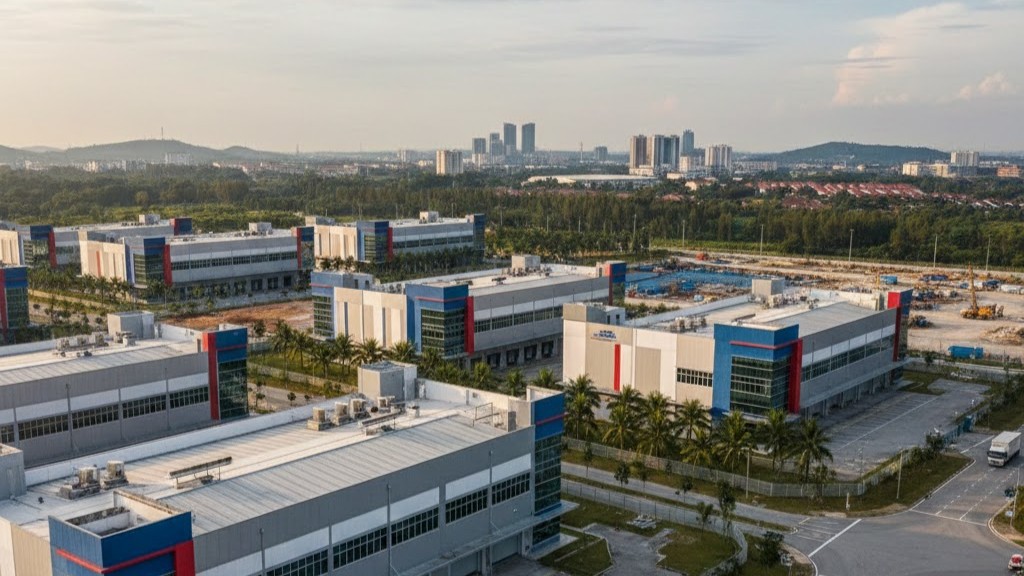
Shah Alam is one of Malaysia’s most established industrial hubs, well-known for its strategic location, excellent transportation network, and mature infrastructure. As businesses expand across logistics, manufacturing, warehousing, and e-commerce, the demand for industrial properties for lease in Shah Alam continues to increase rapidly. Understanding this landscape is crucial before committing to a rental agreement because the industrial sector here behaves differently compared to commercial and residential markets.
Shah Alam is divided into zones such as Section 15, 16, 19, 22, 23, 26, and 27, each offering different types of facilities such as detached factories, semi-D factories, terraced factories, and high-volume warehouses. Rental prices vary depending on road access, lorry or container access, ceiling height, land size, and power supply (commonly 100 amp – 1,000 amp).
Businesses must also be aware of zoning regulations enforced by MBSA, ensuring their operations align with approved land use to avoid penalties or relocation issues. Companies that handle manufacturing, packaging, or cold storage should prioritize areas with strong logistics access such as the KESAS Highway, Federal Highway, LDP, and NKVE.
Understanding these fundamentals ensures businesses select the most suitable and cost-efficient industrial space, helping them avoid unnecessary upgrades or relocation costs. This knowledge also prepares tenants to negotiate better rental terms and make informed long-term decisions.
Key Benefits of Leasing Industrial Property in Shah Alam
Shah Alam is known for offering high-value industrial environments that support both SMEs and large corporations. Leasing a property here provides strategic advantages that many other industrial zones in Malaysia cannot match. One of the biggest benefits is Shah Alam’s central location, which allows businesses to reach Port Klang, Kuala Lumpur, and major highways within minutes. This significantly reduces delivery time, fuel costs, and operational inefficiencies.
Another major advantage is the availability of ready-built industrial units, meaning businesses can shift operations quickly without needing months of renovation. Many units come equipped with upgraded flooring, high-capacity power supply, mezzanine offices, and wide road access suitable for 20–40 ft container trucks.
Shah Alam also offers an established ecosystem with nearby labour housing, suppliers, logistics companies, banks, workshops, and raw material providers, creating a highly efficient operational flow. This ecosystem benefits manufacturers, distributors, and e-commerce brands that rely on high-speed fulfillment.
Additionally, leasing instead of buying reduces financial burden. Businesses do not need to invest large capital upfront and can maintain healthy cash flow for equipment or workforce expansion. If expansion is needed later, tenants can easily upsize or relocate to a bigger factory.
These combined benefits make Shah Alam one of the most practical and profitable industrial zones in Malaysia for both local and foreign companies.
Types of Industrial Properties Available in Shah Alam
Businesses searching for industrial properties for lease in Shah Alam will find a wide range of property types designed for different operational needs. Understanding these categories helps prevent overspending on unnecessary space or ending up with a unit that cannot support your workflow.
The most common type is the terraced factory, ideal for SMEs that require production and basic warehousing capabilities. These units are typically affordable and located in Sections 15, 16, and 19. For companies that require more floor space, semi-detached factories offer larger built-ups, improved ventilation, and easier lorry access.
Detached factories provide even more space with standalone compounds, perfect for large-scale manufacturing or operations requiring privacy and heavy machinery usage. These factories also offer better power capacity, larger loading bays, and, in some cases, additional land for expansion.
For logistics operators or e-commerce brands, high-volume warehouses with high ceilings (30–40 ft) and wide column grids are the best choice. These units allow for advanced racking systems, automated sorting equipment, and high inbound+outbound traffic.
Some properties also cater to specialized industries such as cold storage, halal processing, food manufacturing, or automotive components. Knowing which type aligns with your business model ensures that your leasing decision supports both present operations and future growth.
Prime Industrial Zones in Shah Alam and What They Offer
Shah Alam is divided into various industrial zones, each offering different advantages depending on your business goals. Section 15 and 16 are among the most popular due to their proximity to the Federal Highway and abundance of terraced and semi-D factories. These sections attract SMEs, printing companies, and automotive workshops.
Section 19 and 22 are well-known for their balanced mix of manufacturing and warehousing operations. Accessibility to NKVE and GCE makes these areas ideal for medium to large companies. Companies focusing on electronics, plastics, and FMCG manufacturing thrive here due to the availability of skilled labour and supplier networks.
Section 23, 26, and 27 are prime choices for logistics, e-commerce, and distribution centers. These areas feature larger warehouses, wide roads for container access, and newly developed industrial parks offering modern facilities. Many multinational companies operate here because of the efficient access to KESAS, LKSA, and ELITE highways, enabling fast movement between Port Klang and major cities.
HICOM Industrial Park stands out as one of the most established industrial zones in Malaysia, home to global brands. Businesses leasing here gain a premium corporate address and stable infrastructure.
Choosing the right zone directly affects your long-term costs, workforce availability, delivery speed, and operational efficiency.
Average Rental Prices for Industrial Properties in Shah Alam
Rental prices vary widely depending on location, built-up size, property type, and specifications. On average, terraced factories range between RM1.80 – RM2.50 per sqft, while semi-detached units range from RM2.20 – RM2.80 per sqft. Modern detached factories with high ceilings and bigger compounds can go from RM2.50 – RM3.80 per sqft, depending on amenities and power capacity.
Large distribution warehouses typically range from RM1.50 – RM2.20 per sqft due to their massive built-up area. Businesses engaged in high-volume storage or fulfillment often prefer these units because they offer lower cost per square foot while providing significant operational scale.
Prices also reflect accessibility. Units closer to major highways or town centers cost more but deliver better convenience, reduced lorry costs, and improved staff accessibility. Newer properties with modern fire safety systems, reinforced flooring, and upgraded loading bays usually command higher rates but also reduce renovation expenses.
Understanding these rental benchmarks is crucial for budgeting. Businesses must evaluate whether the monthly rental aligns with expected revenue and operational efficiency. Overspending on space can impact profitability, while choosing a unit that’s too small or limited may restrict growth.
Careful comparison ensures you secure the best value industrial space that fits your current needs and future expansion plans.
Essential Features to Look for Before Leasing
Before purchasing or leasing a factory unit, zoning compliance must be verified. Industrial properties are subject to local authority regulations, environmental guidelines, and usage approvals.
Key checks include:
-
Approved land use
-
Building compliance
-
Environmental clearance
-
Occupancy certification
Failure to verify these elements can cause serious delays. In some cases, businesses may even be forced to relocate. Therefore, legal due diligence is not optional—it is essential.
Legal and Zoning Requirements Tenants Must Know
Before signing a tenancy agreement, businesses must understand zoning rules and compliance requirements set by MBSA and state industrial regulators. Operating a business that doesn’t match the approved land use may lead to forced closure, fines, or relocation.
Manufacturing companies must verify that the area is zoned for industrial activities, not commercial use. For industries involving chemicals, food processing, or heavy equipment, additional permits may be required. These include fire safety approvals, environmental impact assessments, and equipment installation licenses.
A tenancy agreement should also clearly outline responsibilities for repairs, maintenance, and upgrades. Tenants must ensure proper documentation for power upgrades, water usage, and structural modifications. Businesses using machinery should verify loading capacity to avoid building damage.
Engaging a professional agent can help identify properties with the correct zoning and avoid legal complications. Many businesses overlook these details and end up facing expensive compliance issues.
Understanding these requirements protects your business and ensures a smooth, legally compliant operation in Shah Alam.
How to Choose the Right Industrial Property for Your Business
Choosing the right industrial property for lease in Shah Alam requires a structured decision-making process. Many businesses make the mistake of focusing only on price, but in reality, the value of an industrial unit depends on operational efficiency, long-term growth potential, and location suitability. Start by identifying your core operational needs: manufacturing, warehousing, cold storage, assembly, or logistics. Each category requires specific features like power capacity, ceiling height, ventilation systems, or container access.
Next, analyze your workflow. How many staff will occupy the space? How many daily inbound or outbound shipments do you expect? Do your operations require pallet racking, fully open-floor systems, or separate office space? Understanding this helps you avoid paying for unnecessary features.
Accessibility should also rank high in your decision-making. Properties near highways save time, fuel, and logistics costs. If your staff relies on public transport, areas near train or bus stations can improve employee satisfaction and reduce turnover.
Evaluate the long-term expansion potential as well. Your business may grow within 2–3 years, and choosing a unit that allows expansion or nearby relocation options ensures smoother scaling.
Finally, work with a trusted industrial property agent. They can help you secure the most strategic unit, negotiate better rental terms, and identify opportunities you may miss on your own.
Negotiating the Best Rental Terms and Avoiding Costly Mistakes
Negotiating industrial leases in Shah Alam requires preparation and awareness of current market conditions. Tenants often underestimate how flexible landlords can be—especially for long-term agreements or well-established companies. Before negotiating, research average prices for similar-sized units in the same section. This knowledge gives you negotiation power and prevents overpaying.
Key negotiable elements include rental rates, tenancy duration, rent-free periods, renovation allowances, and maintenance responsibilities. Asking for a rent-free period of 1–2 months is common, especially when renovations or machinery installation is required. For long-term leases (3–5 years), landlords may offer lower monthly rent in exchange for contract stability.
Avoid common mistakes such as neglecting to verify power supply, overlooking building defects, or assuming that all factories support heavy-duty operations. Conduct a thorough inspection before signing the tenancy agreement. Ensure fire safety systems, roofing, flooring thickness, drainage, and electricals are in good condition.
It’s also wise to clarify renewal terms early to avoid sudden rental spikes. A well-negotiated agreement can save thousands in long-term operational costs.
Working with an experienced industrial property consultant helps ensure you avoid costly mistakes and negotiate from a position of confidence and clarity.
Why Working With a Professional Industrial Real Estate Agent Matters
Many business owners assume they can handle industrial property search independently, but the reality is very different. Industrial leasing involves technical requirements, zoning compliance, and hidden operational risks that are not always obvious during property viewing. A professional industrial real estate agent offers insights based on experience, market trends, and access to units not publicly listed.
Agents can help you filter units based on layout, power supply, container access, and safety compliance—saving valuable time. They also know the best zones for specific industries. For example, logistics companies benefit from rental units in Section 26 due to highway connectivity, while small-scale manufacturers may prefer more central areas like Section 15.
A professional agent can also negotiate on your behalf to secure better rental terms and avoid being locked into unfair agreements. Their understanding of legal frameworks, tenancy agreements, and local council requirements ensures your business remains compliant.
Most importantly, an agent can guide you toward units that offer long-term value rather than short-term savings. With their support, businesses can confidently secure industrial properties that enhance productivity, reduce operational risks, and support future growth.
Frequently Asked Questions (FAQs)
1. What is the average rental rate for industrial properties in Shah Alam?
Rates typically range from RM1.80 to RM3.80 per sqft, depending on property type, condition, and location.
2. Which sections in Shah Alam are best for industrial leasing?
Popular areas include Section 15, 16, 19, 22, 23, 26, and 27, each offering different advantages depending on business needs.
3. Are rent-free periods available?
Yes. Many landlords offer 1–2 months rent-free, especially for long-term tenants or units requiring renovation.
4. What industries operate in Shah Alam?
Manufacturing, logistics, automotive, F&B processing, electronics, e-commerce fulfillment, and more.
5. Do I need a professional agent?
Highly recommended. An agent helps you secure better deals, avoid compliance issues, and choose the right location for your business.
Conclusion
Shah Alam remains one of Malaysia’s most powerful industrial hubs thanks to its strategic location, logistics connectivity, and wide selection of factory and warehouse options. Whether you’re an SME or a growing corporation, choosing the right industrial property for lease in Shah Alam impacts your operational success, long-term growth, and overall profitability.
If you need expert guidance, property recommendations, or help negotiating the best leasing terms, contact us today. We are ready to help you secure the ideal industrial space that strengthens your business operations and supports your long-term success.
