
Industrial Real Estate for Sale: A Complete Buyer’s Guide
Introduction
Industrial property is one of the most sought-after commercial asset types worldwide. Whether you’re a business wanting space for operations or an investor seeking steady returns, understanding how to navigate industrial real estate for sale is crucial.
Industrial real estate has become especially valuable due to booming e-commerce, logistics demand, and supply chain expansion. But finding the right property — one that offers long-term value, strategic location, and strong returns — requires more than luck.
This guide will help you:
Understand the different types of industrial property
Learn what to look for before buying
Identify key cost and investment factors
Avoid costly mistakes that many buyers make
Let’s dive in.
What Is Industrial Real Estate?
Industrial real estate refers to properties used for:
Warehousing
Manufacturing
Distribution centers
Logistics hubs
Heavy and light industrial operations
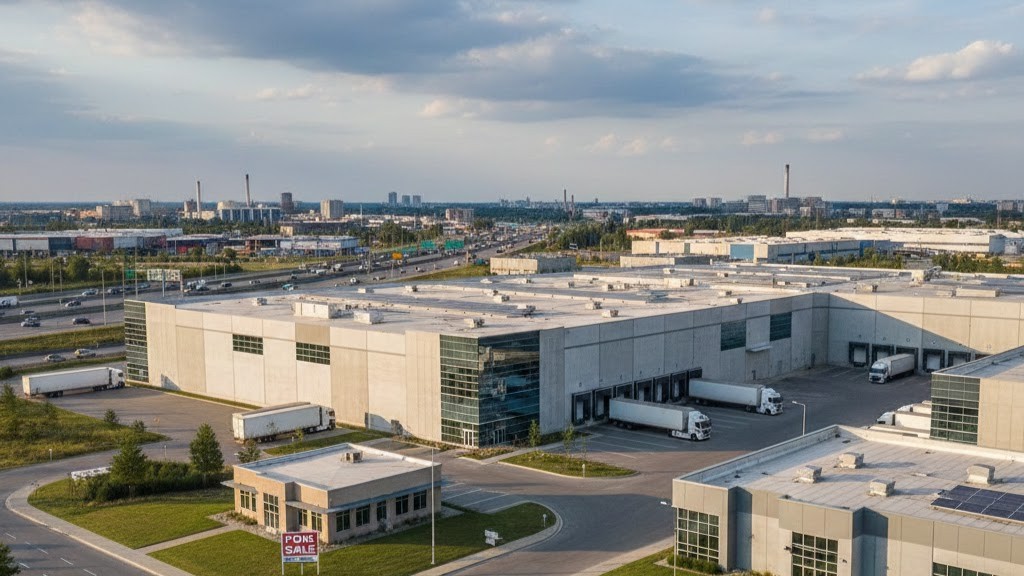
These properties differ from retail or residential real estate because they are function-driven, often with higher ceilings, specialized infrastructure, and larger land areas.
Why Industrial Real Estate Is in High Demand?
Demand for industrial property has surged in recent years due to:
Growth in e-commerce and last-mile delivery
Expansion of warehousing and logistics networks
Supply chain diversification
Increased manufacturing activity
Because of these trends, many savvy investors are actively seeking industrial real estate for sale to take advantage of rental demand and capital appreciation.
Types of Industrial Properties You Can Buy
Understanding the types helps you choose the right asset:
1. Warehouses
Used for storage and distribution.
Ideal for tenants needing space for goods
Popular in logistics corridors
2. Manufacturing Facilities
Custom builds designed for production.
Often requires special infrastructure
Valued for long-term leases with manufacturers
3. Flex Space
Combines office and industrial space.
Offers flexibility for small enterprises
Gaining traction with multi-purpose tenants
4. Distribution Centers
Large facilities for sorting and shipping goods.
Typically located near major highways or ports
Types of Industrial Properties You Can Buy
Understanding the types helps you choose the right asset:
1. Warehouses
Used for storage and distribution.
Ideal for tenants needing space for goods
Popular in logistics corridors
2. Manufacturing Facilities
Custom builds designed for production.
Often requires special infrastructure
Valued for long-term leases with manufacturers
3. Flex Space
Combines office and industrial space.
Offers flexibility for small enterprises
Gaining traction with multi-purpose tenants
4. Distribution Centers
Large facilities for sorting and shipping goods.
Typically located near major highways or ports
How to Find Industrial Real Estate for Sale?
Finding the right property is critical:
- Use commercial real estate brokers with industrial expertise
- Explore online commercial property listings
- Attend property auctions or industry expos
- Network with developers and institutional investors
Don’t rely solely on residential listing sites — they often don’t include industrial properties.
Key Factors When Evaluating Properties
1. Location & Accessibility
Close to highways, ports, and rail networks boosts appeal
Good access reduces transportation costs for tenants
2. Zoning and Permits
Check if the land is certified for your intended use.
Improper zoning can lead to legal delays and additional costs.
3. Structural Condition
Industrial buildings endure heavy use.
Ensure inspections include:
Roof and drainage systems
Flooring and loading docks
Electrical and power capacity
Fire safety systems
4. Ceiling Height & Layout
High ceilings and wide open spaces make a property more desirable — especially for warehousing or distribution.
5. Land Size & Expansion Potential
Extra land allows capacity expansion or future redevelopment.
Pricing: What Influences Industrial Real Estate for Sale
Industrial property pricing depends on:
1. Location
Prime industrial hubs cost more but attract better tenants.
2. Property Age & Condition
Newer or renovated properties often command premium prices.
3. Zoning & Future Development Plans
Properties in development corridors can increase in value rapidly.
4. Infrastructure & Utilities
High-power electrical systems, reinforced floors, and loading docks justify higher prices.
Due Diligence: Must-Do Steps Before Buying
Before signing any contract:
- Conduct a professional building inspection
- Review local zoning laws and restrictions
- Verify utility capacity and environmental compliance
- Analyze market rental rates and vacancy data
- Perform a financial feasibility study
Skipping due diligence can lead to unexpected repair costs, legal issues, and poor rental returns.
Financing Options for Industrial Real Estate
You can finance purchases through:
Commercial real estate loans
Bridge financing
Institutional funding or REITs
Joint ventures with investors
Work with a financial advisor to compare:
Loan interest rates
Down payment requirements
Debt service coverage ratio
Proper planning ensures you maximize leverage while minimizing risk.
Why You Should Act Now?
The industrial real estate market is competitive:
High tenant demand
Rising land prices
Limited available supply in prime location
Delaying your purchase could mean:
- Higher sale prices later
- Fewer desirable locations to choose from
- Increased competition from institutional buyers
Acting now can secure better pricing, better locations, and stronger future returns.
FAQs: Top Electronics Manufacturing Factories in Selangor
1. What types of businesses benefit most from industrial real estate?
Businesses in logistics, manufacturing, storage, and distribution benefit most due to space needs and functional design.
2. Is industrial real estate a good investment?
Yes. It often offers stable rental income, long leases, and strong demand, especially in high-growth regions.
3. How do I find industrial properties for sale?
Work with an industrial real estate broker, check commercial listings, or consult property developers.
4. What should I inspect before buying industrial real estate?
Check structural integrity, zoning compliance, roof condition, power capacity, environmental status, and layout suitability.
5. How does location affect industrial real estate value?
Property near transport links (highways, ports, rail) is more valuable due to reduced logistics costs and higher tenant demand.
Conclusion
Buying industrial real estate for sale can be a game-changing investment for your business or portfolio — but it requires knowledge, timing, and careful evaluation. With demand rising, land prices appreciating, and logistics expansion continuing, now is a strategic time to act. If you need expert guidance, property listings, or professional advice tailored to your business or investment needs, we’re here to help.
Contact us today for a personalized consultation and access to exclusive industrial listings that match your goals.
Secure the right industrial property before competitors do.
