
Why Businesses Need Built-to-Suit Factories for Long-Term Growth
Industrial businesses today are operating in an increasingly competitive environment where efficiency, scalability, and operational flexibility play an important role in long-term success. As industries continue evolving, many companies are realizing that standard factory spaces may no longer fully support their operational requirements.
Manufacturing businesses, logistics companies, and industrial operators often face limitations when using generic industrial properties that were not designed around their workflow needs. Poor layout planning, insufficient loading areas, and limited expansion capability can eventually affect productivity and operational efficiency.
This is why built-to-suit factories are becoming increasingly popular among businesses looking for long-term industrial solutions. Instead of adapting operations around an existing property, businesses can develop industrial facilities specifically designed to support their workflow, operational structure, and future growth plans.
For companies planning sustainable expansion, a built-to-suit factory offers stronger operational advantages compared to traditional industrial spaces.
Better Factory Planning Improves Operational Efficiency
One of the main advantages of a built-to-suit factory is the ability to optimize daily operations from the beginning.
Traditional factory spaces are usually designed for general industrial usage. While these spaces may work for some businesses, others often experience operational inefficiencies because the layout does not match their actual workflow requirements.
For example, production movement, storage coordination, loading activities, and machinery positioning may become inefficient if the facility was not planned strategically.
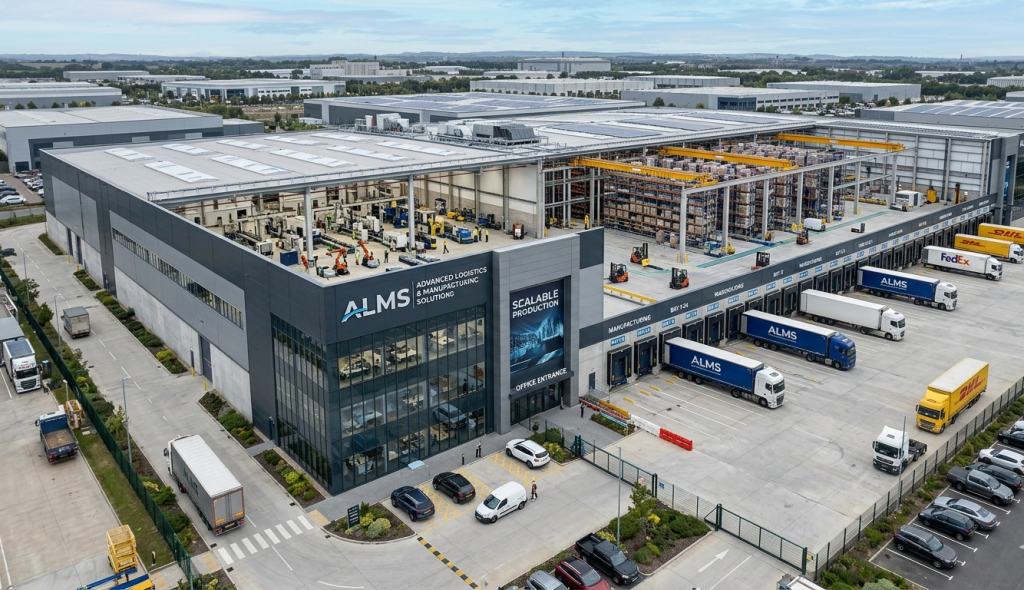
A built-to-suit approach allows businesses to design operational areas based on their specific requirements. Warehouse sections, production lines, loading bays, and office spaces can all be planned more effectively to support smoother daily operations.
This often helps businesses reduce unnecessary movement, improve productivity, and create more organized operational flow.
Built-to-Suit Factories Support Long-Term Expansion
As businesses grow, operational requirements usually change as well. Many companies eventually outgrow their original factory spaces, especially if expansion was not considered during the initial property selection process.
Relocating industrial operations can be expensive and disruptive. Production downtime, logistics adjustments, and equipment movement may create operational challenges that affect business continuity.
Built-to-suit factories help businesses prepare for future growth more effectively. Expansion planning can be incorporated early during the development stage, allowing businesses to scale operations more smoothly over time.
Additional warehouse areas, larger production capacity, and future operational flexibility can all be included within the factory planning strategy.
For businesses with long-term industrial growth plans, this creates stronger operational stability.
Better Space Utilization Creates Higher Productivity
Industrial property costs continue increasing in many regions, making efficient space utilization increasingly important for businesses.
A built-to-suit factory allows companies to maximize available space according to operational priorities rather than adapting to unsuitable layouts.
Storage areas, machinery positioning, loading zones, and office sections can all be optimized to improve operational efficiency.
This customized planning helps businesses avoid wasted space and operational bottlenecks that may occur in traditional industrial properties.
In many cases, better space utilization contributes directly to higher productivity and smoother industrial coordination.
Logistics Accessibility Plays a Major Role
Modern industrial businesses rely heavily on logistics coordination and transportation efficiency.
Poor truck accessibility, limited loading areas, or inefficient movement routes can slow daily operations and increase operational difficulties.
Built-to-suit factories allow businesses to improve logistics accessibility through better industrial planning. Loading bays, vehicle movement areas, and warehouse access points can all be designed according to operational requirements.
For logistics-intensive businesses, this level of planning helps improve transportation efficiency and operational flow.
As supply chain demands continue increasing, industrial properties with stronger logistics accessibility provide important long-term advantages.
Different Industries Require Different Factory Designs
Every industry operates differently. A factory design that works well for one business may not be suitable for another.
For example, food manufacturing facilities may require hygiene-focused layouts, while logistics businesses may prioritize warehouse flow and loading efficiency. Heavy industrial operations may need stronger structural support, while technology manufacturers may require specialized utility systems.
Built-to-suit factories allow businesses to customize industrial spaces according to industry-specific operational needs.
This creates more practical and functional working environments that better support daily business operations.
Long-Term Cost Efficiency Matters
Although built-to-suit factories may involve more planning during the development stage, they often provide stronger long-term cost efficiency.
Businesses can reduce:
- future renovation costs
- operational inefficiencies
- relocation expenses
- workflow disruptions
Instead of continuously modifying unsuitable factory spaces, companies can operate within facilities specifically designed for their requirements from the beginning.
Over time, this creates better operational consistency and stronger long-term value.
Modern Industrial Businesses Need Scalable Facilities
Industrial sectors today are changing rapidly due to:
- e-commerce growth
- manufacturing modernization
- automation technology
- logistics expansion
- supply chain development
As operations become more advanced, businesses increasingly require industrial facilities that can adapt to future changes.
Built-to-suit factories provide better scalability because businesses can plan operational flexibility early during development.
This allows industrial facilities to support long-term business evolution more effectively.
Professional Industrial Facilities Improve Business Image
A well-planned industrial facility also contributes to stronger business presentation.
Modern factory environments often improve:
- operational organization
- customer perception
- investor confidence
- corporate credibility
For businesses working with suppliers, investors, or international clients, professional industrial presentation can positively influence business relationships.
A properly designed facility reflects stronger operational planning and long-term business commitment.
Why Businesses Are Choosing Built-to-Suit Solutions
More businesses are now recognizing that operational efficiency is closely connected to industrial property planning.
Instead of compromising around the limitations of existing factory spaces, companies are increasingly choosing facilities designed specifically around their workflow requirements.
Built-to-suit factories provide:
- better operational control
- stronger scalability
- improved logistics planning
- higher space efficiency
- long-term flexibility
For businesses planning sustainable industrial growth, customized facilities offer stronger strategic advantages compared to traditional industrial properties.
Conclusion
Built-to-suit factories are becoming an increasingly important solution for businesses seeking long-term industrial growth and operational efficiency. Instead of adapting operations around unsuitable industrial spaces, businesses can develop facilities specifically designed to support workflow, logistics, scalability, and future expansion.
As industrial sectors continue evolving, operational flexibility and strategic planning are becoming more valuable than ever. Businesses that invest in industrial facilities aligned with their operational requirements are often better positioned to improve efficiency, strengthen productivity, and support sustainable long-term growth.
For modern industrial businesses, built-to-suit factory solutions provide a more strategic and future-focused approach to industrial property development.
FAQs
1. What is a built-to-suit factory?
A built-to-suit factory is a custom industrial facility developed according to a company’s operational requirements. Instead of using a standard factory layout, businesses can plan the building structure, warehouse areas, loading bays, office sections, and production flow based on their actual operational needs. This helps improve efficiency, scalability, and long-term functionality.
2. Why do businesses prefer built-to-suit factories?
Many businesses prefer built-to-suit factories because they offer greater operational flexibility compared to traditional industrial properties. A customized factory layout can improve workflow organization, logistics coordination, storage management, and future expansion planning. This often helps businesses operate more efficiently while reducing long-term operational limitations.
3. Are built-to-suit factories suitable for expanding businesses?
Yes. Built-to-suit factories are especially beneficial for businesses planning long-term growth and expansion. Companies can include future operational requirements during the planning stage, such as larger warehouse areas, scalable production sections, or additional office space. This reduces the need for costly relocation when business operations grow over time.
4. How do built-to-suit factories improve logistics?
Built-to-suit factories allow businesses to optimize logistics flow based on transportation and operational requirements. Loading bays, truck access routes, warehouse layouts, and internal movement paths can all be planned strategically to improve operational efficiency. This is particularly important for logistics-heavy industries that rely on smooth transportation coordination and faster operational movement.
5. Do built-to-suit factories improve long-term efficiency?
Yes. Since the facility is designed around the company’s actual workflow and operational structure, businesses can reduce inefficiencies commonly found in standard factory layouts. Better space utilization, smoother workflow planning, and future scalability often contribute to stronger long-term operational performance and cost efficiency.
