
Why Businesses Outgrow Their Current Factory Space
When a business first moves into a factory or industrial facility, the available space may seem more than sufficient for its operations. However, as businesses grow, production increases, workforce numbers expand, and storage requirements become larger, the original factory space may no longer meet operational needs.
Many companies initially focus on finding a facility that fits their immediate requirements. While this approach works during the early stages of growth, successful businesses often discover that their current factory eventually becomes a limiting factor.
Recognizing when a business has outgrown its factory space is important for maintaining productivity, improving efficiency, and supporting future expansion. Delaying relocation or facility upgrades can create operational challenges that affect business performance and profitability.
Understanding the signs of factory expansion needs can help business owners make informed decisions before space limitations begin affecting growth.
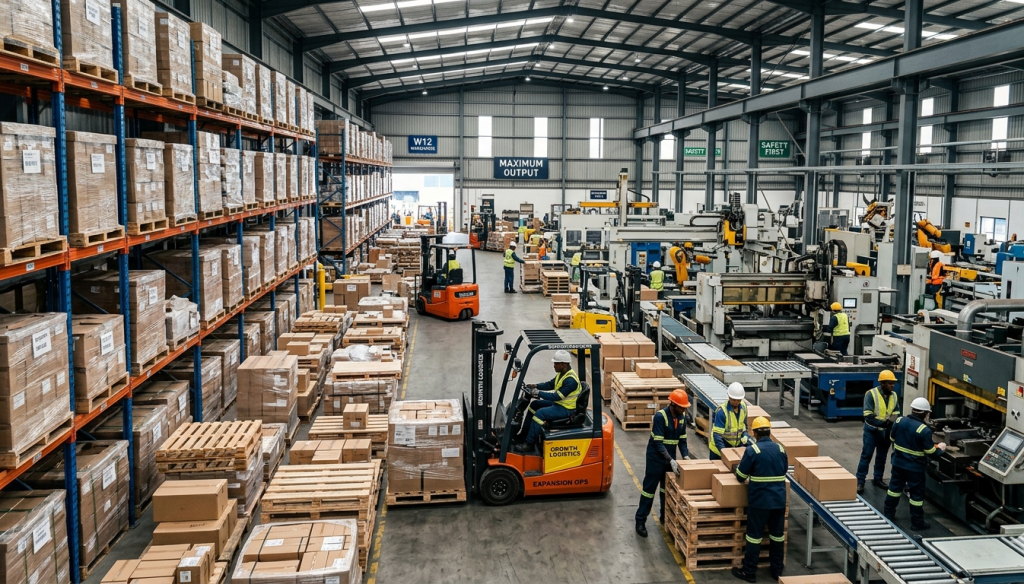
Why Factory Space Matters for Business Operations
Factory space plays a significant role in daily operations.
Industrial facilities are not simply buildings used for production. They also support:
- manufacturing activities
- storage requirements
- logistics operations
- workforce management
- equipment installation
- future business growth
When space becomes insufficient, businesses often face inefficiencies that reduce productivity and increase operating costs.
A well-planned factory facility should support both current operations and future expansion opportunities.
Business Growth Often Creates New Space Requirements
Growth is generally a positive sign for any business.
As customer demand increases, companies often need:
- additional machinery
- larger inventory storage
- more employees
- expanded production lines
- improved logistics capabilities
These changes naturally require more space.
A factory that was ideal five years ago may no longer support the company’s current operational requirements.
This is one of the most common reasons businesses begin searching for larger industrial facilities.
Signs Your Business Has Outgrown Its Factory Space
Limited Storage Capacity
One of the earliest warning signs is insufficient storage space.
As inventory levels increase, businesses may find themselves:
- stacking products in unsuitable areas
- reducing available working space
- creating warehouse congestion
Poor storage organization can slow operations and increase the risk of product damage.
When inventory consistently exceeds available storage capacity, it may be time to consider expansion.
Production Areas Are Becoming Crowded
Manufacturing businesses often invest in new machinery to increase production capacity.
However, additional equipment requires sufficient floor space.
When production areas become overcrowded, businesses may experience:
- reduced workflow efficiency
- safety concerns
- limited movement for employees
- maintenance difficulties
A larger facility allows equipment to be arranged more effectively, improving productivity and workplace safety.
Workforce Expansion Creates Challenges
Business growth often leads to hiring additional employees.
While increased staffing supports operational growth, it can also create challenges when facilities are too small.
Common issues include:
- overcrowded workstations
- limited office space
- insufficient parking
- inadequate employee facilities
Providing employees with a comfortable and efficient working environment contributes to productivity and overall workplace satisfaction.
Logistics Operations Become Inefficient
Efficient logistics are essential for modern industrial operations.
When factory space becomes limited, loading and unloading processes may become slower and less organized.
This can result in:
- delivery delays
- traffic congestion within the facility
- longer turnaround times
- reduced operational efficiency
Businesses that rely on regular transportation activities often benefit significantly from larger industrial facilities with improved logistics layouts.
Future Expansion Becomes Difficult
One of the biggest risks of staying in a facility that is too small is the inability to support future growth.
A factory that operates at full capacity leaves little room for:
- new production lines
- additional inventory
- new equipment
- business diversification
Companies that anticipate continued growth should evaluate whether their current facility can support long-term plans.
How Limited Factory Space Affects Business Performance
Many business owners underestimate the impact of limited space.
Insufficient factory capacity can affect:
Productivity
Employees and equipment operate less efficiently when work areas become crowded.
Safety
Congested work environments increase the risk of workplace accidents.
Customer Satisfaction
Delays in production or delivery may affect customer relationships.
Operating Costs
Businesses may spend more on temporary storage, inefficient processes, or operational workarounds.
Over time, these issues can affect profitability and competitiveness.
Benefits of Upgrading to a Larger Factory
Improved Operational Efficiency
A larger factory provides more room for production, storage, and logistics activities.
This helps create smoother workflows and reduces unnecessary delays.
Better Inventory Management
Additional storage capacity allows businesses to organize inventory more effectively.
This can improve stock control and reduce operational disruptions.
Increased Production Capacity
Businesses can install additional equipment and expand production lines when more space is available.
This supports higher output and future growth opportunities.
Enhanced Workplace Environment
Employees benefit from safer, more comfortable working conditions when facilities are properly sized.
A better work environment often contributes to improved productivity and morale.
Greater Business Flexibility
Larger facilities provide room for future expansion, reducing the need for frequent relocations.
This gives businesses greater flexibility when responding to market opportunities.
Factors to Consider When Expanding Factory Space
Before relocating or upgrading facilities, businesses should evaluate:
Location
Accessibility to highways, suppliers, customers, and transportation networks remains important.
Infrastructure
Reliable utilities, road access, and industrial support services are essential.
Future Growth Plans
Businesses should consider long-term expansion goals rather than only immediate requirements.
Facility Specifications
Factors such as ceiling height, loading bays, power supply, and floor loading capacity should match operational needs.
Proper planning helps ensure the new facility continues supporting growth for many years.
Why Industrial Property Planning Matters
Factory expansion is not simply about finding a larger building.
Businesses should view industrial property decisions as part of their long-term growth strategy.
A well-selected industrial facility can support:
- increased production
- operational efficiency
- workforce growth
- logistics improvements
- future business development
Choosing the right property helps businesses avoid costly relocations and operational disruptions later.
Conclusion
Business growth often brings new opportunities, but it can also create challenges when factory space becomes limited. What once seemed like an ideal facility may eventually restrict productivity, storage, logistics, and expansion efforts.
Recognizing the signs that a business has outgrown its current factory space allows owners to plan proactively and avoid operational bottlenecks.
By investing in a facility that supports both current requirements and future growth, businesses can improve efficiency, strengthen competitiveness, and create a stronger foundation for long-term success.
FAQs
1. How do I know if my business has outgrown its factory space?
Common signs include overcrowded production areas, limited storage capacity, inefficient logistics operations, and a lack of space for future expansion.
2. Why is factory expansion important for business growth?
Factory expansion provides additional space for equipment, inventory, employees, and future operations, helping businesses maintain efficiency as they grow.
3. Can limited factory space affect productivity?
Yes. Crowded facilities can reduce workflow efficiency, create safety concerns, and slow production processes.
4. What should businesses consider before relocating to a larger factory?
Important factors include location, infrastructure, accessibility, facility specifications, and future business growth plans.
5. Is it better to plan for future growth when choosing a factory?
Yes. Selecting a facility with room for expansion helps businesses avoid costly relocations and operational disruptions in the future.
