
What Businesses Should Know Before Buying Industrial Land in Malaysia
Malaysia’s industrial sector continues to expand as businesses in manufacturing, logistics, warehousing, and e-commerce seek better operational spaces to support growth. As demand for industrial properties increases, many companies are now considering purchasing land instead of relying on long-term rentals. Investing in industrial land Malaysia offers businesses greater flexibility, long-term value, and opportunities for expansion.
However, purchasing industrial land is a major financial and operational decision. Businesses must carefully evaluate factors such as location, infrastructure, zoning regulations, and future development potential before committing to a purchase. Unlike residential properties, industrial land involves additional planning considerations that can significantly affect business operations and investment returns.
Understanding the important aspects of industrial land Malaysia helps businesses avoid costly mistakes and make informed decisions that support long-term growth. Whether the goal is to build factories, warehouses, or logistics hubs, proper planning plays a key role in maximizing the value of industrial property investments.
Understanding Industrial Land Categories in Malaysia
Before purchasing industrial property, businesses should first understand the different types of industrial land available in Malaysia. Not all industrial land serves the same purpose, and each category may come with specific regulations and usage restrictions.
Industrial land is generally divided into several categories based on permitted activities and development intensity. Some land is designated for light industrial use, while other areas support heavy industrial operations. Businesses involved in manufacturing, storage, logistics, or production must ensure the land category matches operational requirements.
Another important factor is land ownership type. In Malaysia, industrial land may be classified as either freehold or leasehold. Freehold land provides permanent ownership rights, while leasehold land is limited to a specific duration determined by local authorities. Many businesses prefer freehold industrial land because of its long-term security and investment value. However, leasehold properties may sometimes offer lower initial costs depending on location and development conditions.
Businesses should also review zoning regulations carefully. Local authorities control how industrial land can be used, and purchasing land without verifying zoning approvals may create future operational limitations. Understanding these classifications is essential when evaluating industrial land Malaysia opportunities.
The Importance of Location for Industrial Land
Location is one of the most critical factors when purchasing industrial property. A strategic location can improve logistics efficiency, reduce operational costs, and support future business expansion.
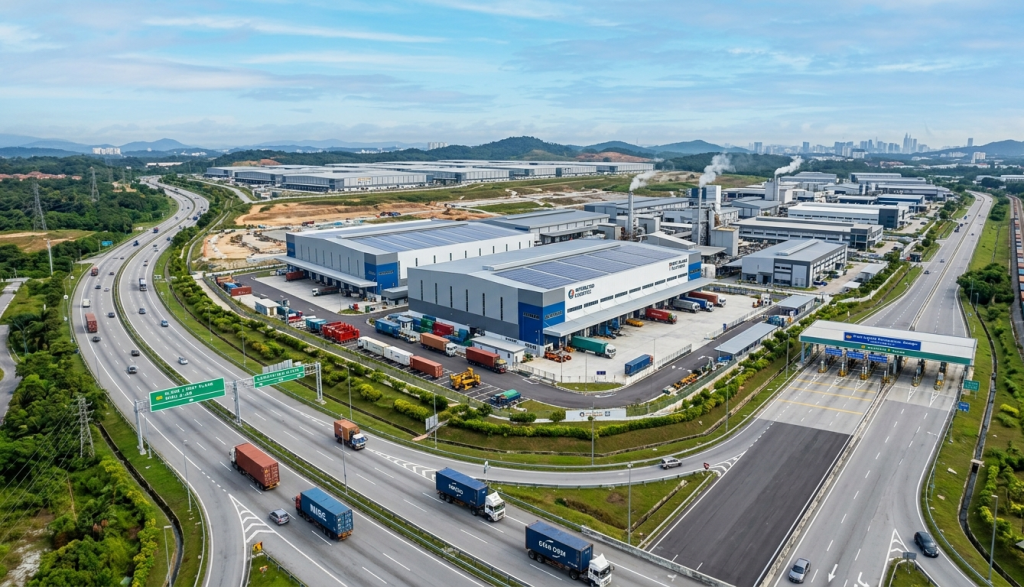
Businesses should consider accessibility when evaluating industrial land. Properties located near highways, ports, airports, and transportation hubs often provide significant advantages for logistics and supply chain operations. Easy access to major transportation networks helps businesses reduce delivery times and improve operational efficiency.
In Malaysia, industrial hotspots such as Selangor, Shah Alam, Klang, and Nilai continue attracting strong demand because of their developed infrastructure and business-friendly environments. These locations provide better connectivity and access to suppliers, customers, and workforce availability.
When selecting industrial land Malaysia, businesses should also evaluate nearby developments and future growth potential. Areas experiencing industrial expansion may offer stronger long-term appreciation and increased demand over time. Purchasing land in developing industrial zones can become a valuable long-term investment if infrastructure improvements continue in the future.
Accessibility for employees is another important consideration. Businesses operating in areas with poor transportation access may face difficulties attracting workers. A balanced location that supports both operational efficiency and workforce accessibility is often ideal for industrial developments.
Infrastructure and Utility Considerations
Infrastructure quality significantly affects the usability and long-term value of industrial property. Businesses must ensure the land has adequate infrastructure to support daily operations and future expansion plans.
Important infrastructure considerations include:
- Road accessibility
- Electricity supply capacity
- Water availability
- Drainage systems
- Telecommunications and internet connectivity
For manufacturing and logistics operations, stable electricity and water supply are essential. Some industrial activities require higher electrical loads, and businesses should confirm whether the existing infrastructure can support operational requirements.
Proper drainage systems are also important, especially in areas prone to flooding. Poor drainage can affect operations, damage equipment, and create long-term maintenance issues. Businesses should assess environmental conditions and infrastructure readiness before purchasing industrial land.
Reliable internet and telecommunications infrastructure are increasingly important for modern industrial operations. Smart manufacturing systems, logistics tracking, and digital inventory management all rely on stable connectivity. Businesses investing in industrial land Malaysia should consider future technological requirements alongside current operational needs.
Legal and Regulatory Factors
Industrial property transactions involve legal complexities that businesses should not overlook. Conducting proper legal due diligence helps prevent future disputes and operational restrictions.
Before purchasing land, businesses should verify:
- Land ownership and title status
- Zoning approvals
- Existing restrictions or encumbrances
- Development approvals
- Environmental compliance requirements
Some industrial land may carry limitations that affect future construction or operational activities. Businesses planning large-scale industrial developments should ensure local authorities approve intended usage.
Environmental regulations are also important, especially for manufacturing operations that may involve waste management or emissions control. Failure to comply with environmental requirements can lead to fines, operational disruptions, or permit issues.
Working with experienced property lawyers and consultants can help businesses navigate legal requirements more effectively. Professional guidance is especially valuable for companies unfamiliar with industrial property regulations in Malaysia.
Investment Potential of Industrial Land Malaysia
The demand for industrial land Malaysia continues growing due to increasing industrial activity, e-commerce expansion, and logistics development. As businesses seek larger operational spaces and distribution hubs, industrial properties are becoming attractive long-term investments.
Several factors contribute to the investment potential of industrial land:
- Growth in manufacturing industries
- Rising e-commerce demand
- Expansion of logistics and warehousing sectors
- Infrastructure development projects
- Increasing foreign investments
Industrial properties often provide stable long-term appreciation compared to some other real estate sectors. Businesses purchasing industrial land may benefit from both operational use and asset value growth over time.
Selangor remains one of the strongest industrial investment areas because of its infrastructure, transportation networks, and concentration of industrial activities. Businesses looking for long-term opportunities often focus on regions with ongoing economic development and high commercial demand.
Investors should also consider rental potential. Even if businesses do not immediately develop the land, industrial properties in strategic locations may generate future rental income opportunities.
Financial Planning Before Purchasing Industrial Land
Purchasing industrial property requires careful financial planning beyond the initial land price. Businesses should evaluate both short-term affordability and long-term operational costs before making investment decisions.
Key financial considerations include:
- Down payment and financing options
- Legal and transaction fees
- Land conversion costs
- Infrastructure development expenses
- Maintenance and operational costs
Some businesses underestimate the additional expenses involved after purchasing industrial land. Development approvals, utility connections, and construction costs can significantly increase overall investment requirements.
Financing options also vary depending on property type, land status, and business financial profiles. Companies should compare financing packages carefully and maintain realistic budgets for future development plans.
A well-planned financial strategy helps businesses avoid cash flow issues and ensures smoother long-term property development.
Common Mistakes Businesses Should Avoid
Many businesses make avoidable mistakes when purchasing industrial property. Failing to conduct proper research or rushing investment decisions can create long-term operational and financial challenges.
Common mistakes include:
- Ignoring zoning and land usage restrictions
- Choosing locations with poor accessibility
- Underestimating development costs
- Failing to inspect infrastructure conditions
- Skipping legal due diligence
Some businesses focus only on land prices without considering operational efficiency. A cheaper property in an unsuitable location may create higher long-term logistics costs and reduced productivity.
Businesses should also avoid purchasing land solely based on speculation without evaluating actual business needs. Strategic planning and professional consultation are important when selecting industrial properties.
Future Trends in Industrial Land Malaysia
Malaysia’s industrial property market is expected to continue evolving alongside technological advancements and changing business demands. E-commerce growth, automation, and logistics expansion are increasing demand for modern industrial facilities and strategically located land.
Businesses investing in industrial land Malaysia should monitor future trends such as:
- Smart warehousing development
- Green industrial buildings
- Automation and robotics integration
- Sustainable industrial infrastructure
- Increased logistics demand
Industrial zones with strong digital infrastructure and sustainability initiatives may become increasingly valuable in the future. Businesses that adapt to these trends early can position themselves more competitively within the evolving industrial landscape.
Conclusion
Purchasing industrial land Malaysia can provide businesses with valuable long-term opportunities for operational growth, investment appreciation, and strategic expansion. However, successful industrial property investments require careful planning, detailed research, and proper financial preparation.
From understanding zoning regulations and infrastructure requirements to evaluating location advantages and legal considerations, businesses must assess multiple factors before making purchasing decisions. A strategic approach helps reduce risks and maximize long-term value.
As Malaysia’s industrial sector continues growing, businesses that invest wisely in industrial land can strengthen operational efficiency and secure stronger positions within competitive markets. Careful planning today can create significant long-term benefits for future business development.
More Info
Learn more about industrial property opportunities:
Selangor Factory & Land
Explore more insights:
Selangor Factory & Land Tips
Reference:
FAQs
1. What is industrial land Malaysia used for?
Industrial land is commonly used for factories, warehouses, logistics hubs, and manufacturing operations.
2. Why is location important when buying industrial land?
A strategic location improves logistics efficiency, accessibility, and long-term investment value.
3. What should businesses check before buying industrial land?
Businesses should review zoning approvals, infrastructure, ownership status, and legal requirements.
4. Is industrial land a good investment in Malaysia?
Yes, industrial land can provide long-term appreciation and strong demand due to industrial growth.
5. What are common mistakes when buying industrial property?
Ignoring zoning regulations, poor location selection, and underestimating costs are common mistakes.
