
How Transportation Networks Influence Industrial Property Demand
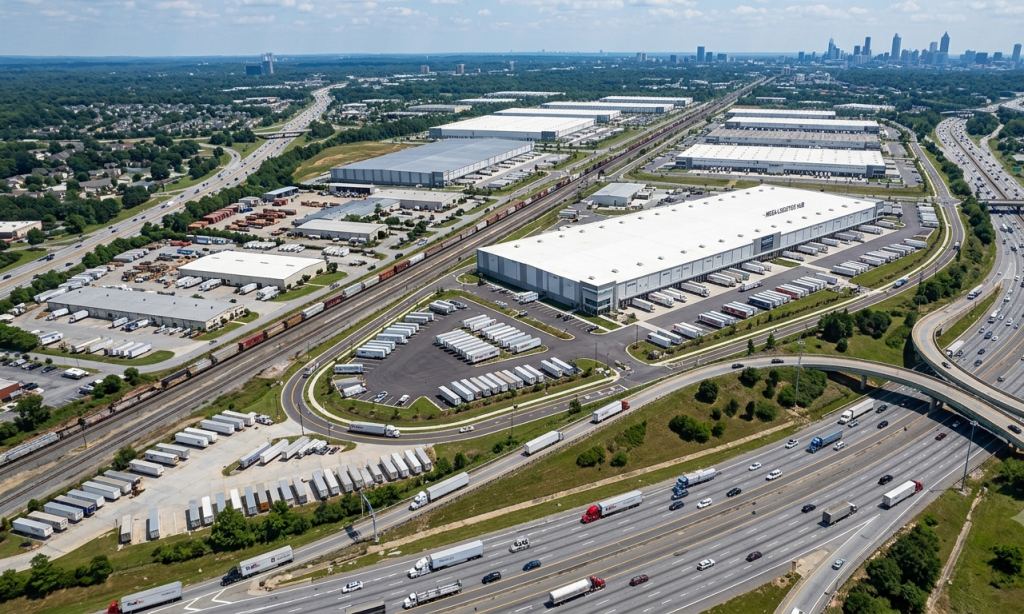
Location has always been one of the most important factors in real estate. In the industrial property sector, however, accessibility often plays an even greater role than many business owners and investors realize. Factories, warehouses, and industrial land are closely connected to transportation networks that support the movement of goods, materials, equipment, and employees.
Whether a company operates in manufacturing, logistics, warehousing, distribution, or e-commerce, transportation infrastructure can significantly influence business efficiency and long-term growth. Properties located near major highways, ports, airports, and transportation hubs are often more attractive because they provide easier access to suppliers, customers, and distribution channels.
As industrial development continues to expand, transportation networks remain one of the key factors affecting industrial property demand. Understanding this relationship can help businesses and investors make better property decisions and maximize long-term value.
Understanding Industrial Property Demand
Industrial property demand refers to the level of interest from businesses and investors seeking industrial assets such as:
- factories
- warehouses
- logistics facilities
- industrial land
- manufacturing facilities
Demand is influenced by various factors, including:
- location
- infrastructure
- accessibility
- market conditions
- economic growth
Among these factors, transportation infrastructure is often one of the strongest drivers of demand because it directly impacts operational efficiency.
Why Transportation Networks Matter
Transportation networks connect businesses to the resources and markets they depend on.
These networks include:
- highways
- expressways
- ports
- airports
- rail systems
- public transportation
A well-connected industrial property allows businesses to move products more efficiently while reducing operational delays.
Poor accessibility can increase transportation costs and reduce overall competitiveness.
Faster Movement of Goods
One of the most obvious benefits of strong transportation infrastructure is faster movement of goods.
Businesses rely on efficient transportation to:
- receive raw materials
- distribute products
- manage inventory
- meet customer expectations
Industrial properties located near major transportation routes often provide significant logistical advantages.
Reduced travel times can improve productivity and support smoother business operations.
Lower Transportation Costs
Transportation expenses can represent a substantial portion of operational costs.
Properties with convenient access to transportation infrastructure often help businesses reduce:
- fuel costs
- delivery expenses
- vehicle wear and tear
- logistics inefficiencies
Lower operating costs can improve profitability and strengthen long-term business performance.
This is one reason industrial properties near major highways often attract strong market interest.
Improved Supply Chain Efficiency
Modern businesses depend heavily on reliable supply chains.
Transportation networks support supply chain performance by improving connectivity between:
- suppliers
- manufacturers
- warehouses
- distributors
- customers
When transportation routes are efficient, businesses can better manage inventory levels and respond more effectively to market demands.
Supply chain reliability has become increasingly important in today’s competitive business environment.
Better Access to Customers
Businesses benefit when they can reach customers quickly and efficiently.
Industrial properties located near transportation hubs often provide easier access to:
- local markets
- regional markets
- national distribution networks
Faster delivery times can improve customer satisfaction and strengthen business relationships.
This advantage is particularly important for logistics companies and e-commerce operations.
Attracting Logistics and Distribution Businesses
Transportation infrastructure is especially important for logistics-related industries.
Distribution centres and warehouses typically prioritize locations that offer:
- direct highway access
- proximity to ports
- airport connectivity
- efficient freight routes
As demand for logistics services grows, transportation-friendly industrial locations often experience increased demand from businesses seeking operational advantages.
Supporting Workforce Accessibility
Transportation networks do not only benefit goods movement.
They also influence employee accessibility.
Industrial properties located near major roads and public transportation systems may provide:
- easier commuting
- larger labour pools
- improved workforce retention
Access to skilled workers is an important consideration for many industrial businesses.
Properties with strong transportation connections often offer recruitment advantages.
Impact on Industrial Property Value
Transportation infrastructure can significantly influence industrial property value.
Properties with superior accessibility are often viewed as more desirable because they provide:
- operational benefits
- development opportunities
- stronger market demand
As demand increases, property values may also become more competitive.
This is why infrastructure improvements frequently attract commercial and industrial investment.
Influence on Industrial Property Investment Decisions
Investors carefully evaluate transportation access when assessing industrial opportunities.
Key considerations may include:
- proximity to highways
- connectivity to ports
- future infrastructure projects
- traffic flow efficiency
Properties located within established transportation corridors often present stronger long-term investment potential.
Infrastructure improvements can also create future growth opportunities.
Importance for Manufacturing Facilities
Manufacturing businesses depend on the consistent movement of raw materials and finished products.
Transportation networks help manufacturers:
- reduce production delays
- manage inventory efficiently
- support distribution activities
Industrial properties with strong transportation links often provide significant operational advantages for manufacturers.
Benefits for Warehouse Operations
Warehouse operators require efficient access to transportation routes.
Well-positioned warehouses can improve:
- delivery speed
- inventory management
- logistics coordination
As customer expectations for fast delivery continue to increase, transportation accessibility remains a major factor in warehouse demand.
Future Infrastructure Development and Demand Growth
Infrastructure projects often influence future industrial property demand.
Examples include:
- new highways
- transportation hubs
- rail developments
- port expansions
Businesses and investors frequently monitor planned infrastructure projects because these developments can improve accessibility and increase property attractiveness.
Properties located near future infrastructure improvements may experience stronger demand over time.
Common Factors Businesses Should Evaluate
When selecting industrial property, businesses should assess:
Highway Access
Easy highway access supports efficient transportation and logistics.
Distance to Key Markets
Proximity to customers and suppliers can improve operational efficiency.
Availability of Public Transportation
Employee accessibility can influence workforce availability.
Future Infrastructure Plans
Upcoming projects may affect long-term property value and demand.
Traffic Conditions
Efficient traffic flow supports productivity and reduces delays.
Evaluating these factors helps businesses make informed property decisions.
The Role of Professional Industrial Property Advisors
Industrial property selection involves many considerations beyond property size and price.
Professional advisors can help businesses evaluate:
- location suitability
- transportation accessibility
- investment potential
- market demand
Their expertise can support better decision-making and reduce risks during property acquisition.
Conclusion
Transportation networks play a major role in shaping industrial property demand. Accessibility to highways, ports, airports, and other transportation infrastructure directly affects business operations, logistics efficiency, workforce accessibility, and long-term investment value.
As industries continue to evolve and supply chains become increasingly important, transportation connectivity remains a key factor influencing industrial property decisions. Businesses and investors who carefully evaluate transportation infrastructure can position themselves for improved operational performance and stronger long-term growth.
Choosing the right industrial property is about more than location alone. It is about selecting a property that supports both current business needs and future opportunities.
More Info
https://selangorfactoryandland.com/
https://selangorfactoryandland.com/tips/
FAQs
1. Why are transportation networks important for industrial properties?
Transportation networks improve accessibility, logistics efficiency, and business operations, making industrial properties more attractive.
2. How do highways affect industrial property demand?
Properties near major highways often experience stronger demand because they provide easier access for transportation and distribution activities.
3. Do transportation networks influence industrial property value?
Yes. Better accessibility often increases property desirability and can positively influence value.
4. Why do logistics companies prioritize transportation access?
Efficient transportation helps reduce delivery times, improve supply chain performance, and lower operating costs.
5. Should investors consider future infrastructure projects?
Yes. Planned infrastructure improvements can increase accessibility and support future property demand growth.
