
Why Warehouse Location Can Affect Delivery Efficiency
As businesses continue expanding across Malaysia, delivery speed and logistics performance have become increasingly important for long-term operational success. Many companies focus heavily on products, marketing, and transportation systems but overlook one critical factor that directly affects distribution efficiency — warehouse location.
A warehouse is more than just a storage facility. Its location can influence transportation costs, delivery timing, operational productivity, customer satisfaction, and overall business performance. In highly competitive industries, inefficient warehouse placement may quietly create delays, increase operational expenses, and reduce supply chain performance over time.
This is why warehouse location strategy has become an important consideration for businesses involved in manufacturing, e-commerce, retail distribution, and logistics operations.
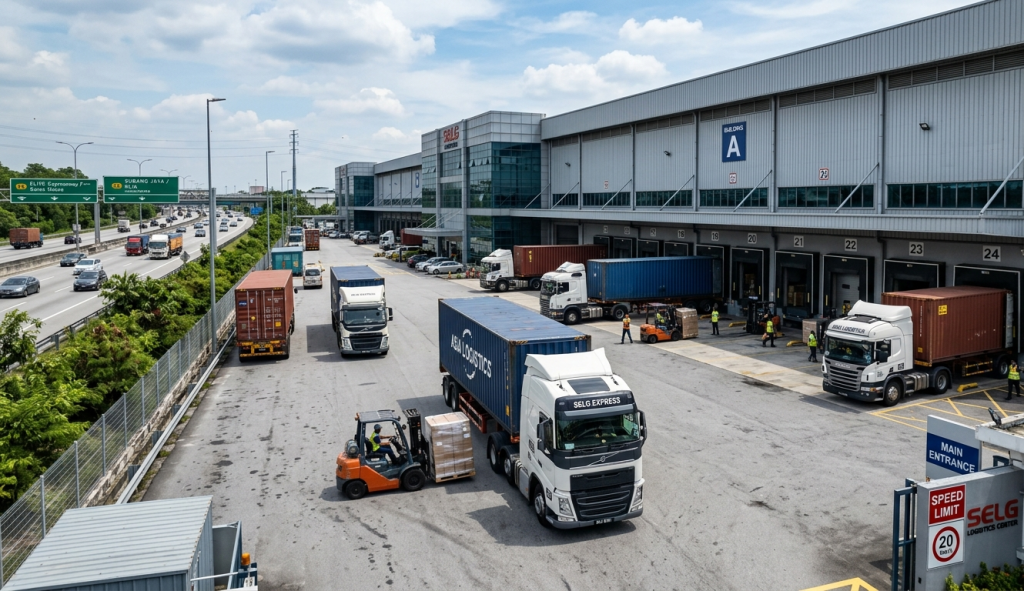
Why Warehouse Location Matters More Today
Modern customers expect faster deliveries and more reliable service than ever before. Businesses are under constant pressure to reduce delays while maintaining efficient operations.
At the same time, rising transportation costs and increasing demand for logistics efficiency have made warehouse positioning more important for long-term planning.
A poorly located warehouse may result in:
- slower deliveries
- higher fuel expenses
- transportation inefficiencies
- delayed inventory movement
- operational bottlenecks
Even businesses with strong products and systems may struggle if logistics efficiency is affected by location limitations.
Delivery Efficiency Depends on Accessibility
One of the most important factors in warehouse location strategy is accessibility.
Warehouses located near major highways, industrial hubs, ports, or transportation networks often support smoother delivery operations. Better accessibility helps reduce transportation delays and improves delivery coordination.
On the other hand, warehouses located in congested or poorly connected areas may create:
- longer transportation times
- inconsistent delivery schedules
- traffic-related delays
- increased operational stress
Over time, these inefficiencies may affect customer satisfaction and business reliability.
Transportation Costs Can Increase Significantly
Transportation is one of the largest operational costs for logistics and distribution businesses.
When warehouse locations are far from suppliers, customers, or major transport routes, businesses may experience:
- higher fuel costs
- longer travel distances
- increased vehicle wear
- more delivery disruptions
These expenses may gradually reduce profit margins without businesses immediately realizing how much location inefficiency contributes to overall costs.
Warehouse location strategy plays an important role in balancing operational reach and transportation efficiency.
Customer Expectations Continue to Rise
Today’s customers expect:
- faster delivery
- accurate tracking
- reliable arrival times
- minimal shipping delays
This is especially important for e-commerce businesses where delivery speed strongly influences customer satisfaction and repeat purchases.
A strategically located warehouse helps businesses respond more efficiently to customer demands while improving overall service consistency.
In contrast, poor warehouse placement may create fulfillment delays that affect customer trust and brand reputation.
Warehouse Location Influences Supply Chain Stability
Warehouse positioning also affects supply chain coordination.
Businesses that operate in manufacturing, retail, or distribution often depend on smooth inventory movement between suppliers, warehouses, and customers.
A well-positioned warehouse may help:
- reduce inventory delays
- improve stock movement
- support faster replenishment
- improve distribution coordination
Poorly planned warehouse locations can create disruptions that affect multiple stages of the supply chain.
This is why location planning is often considered a long-term operational decision rather than simply a property selection process.
Industrial Areas Offer Better Logistics Advantages
Many businesses prefer warehouses located near industrial zones because these areas typically provide:
- better transportation access
- stronger logistics infrastructure
- proximity to suppliers
- easier truck movement
- improved operational convenience
Industrial areas in Selangor continue attracting logistics and warehousing demand because of their strategic connections to highways, ports, and commercial centers.
Businesses operating in high-demand distribution industries often prioritize accessibility and infrastructure over short-term cost savings alone.
Poor Warehouse Planning Can Affect Business Growth
Some businesses initially choose warehouse locations based only on lower rental or property costs. However, lower upfront costs may eventually create larger operational problems.
As businesses grow, limitations in warehouse accessibility or transportation efficiency may become more noticeable.
Common long-term problems may include:
- delayed expansion capability
- inefficient logistics scaling
- rising delivery expenses
- operational congestion
- customer service issues
Warehouse location decisions should support future operational growth rather than only current storage needs.
E-Commerce Growth Has Increased Warehouse Demand
The rapid growth of e-commerce has significantly changed logistics requirements across Malaysia.
Businesses now require:
- faster order processing
- better inventory management
- shorter delivery timelines
- more efficient regional distribution
As delivery expectations increase, warehouse location strategy becomes even more important for businesses handling high order volumes.
This is one reason why strategically located warehouse properties continue attracting strong commercial interest.
Warehouse Efficiency Impacts Business Reputation
Delivery consistency affects how customers perceive a business.
Repeated delays, damaged deliveries, or unreliable shipping schedules may eventually reduce customer confidence even when product quality remains strong.
Efficient warehouse operations help businesses:
- improve delivery reliability
- maintain operational consistency
- strengthen customer trust
- support long-term business relationships
Warehouse location indirectly contributes to overall business reputation and service quality.
Why Businesses Often Seek Professional Guidance
Choosing a warehouse location involves more than selecting available property space.
Businesses must consider:
- logistics infrastructure
- transportation access
- operational scalability
- future expansion plans
- supplier proximity
- workforce accessibility
Because warehouse decisions affect long-term operational performance, many businesses prefer professional property consultation before making major commitments.
An experienced industrial property advisor can help businesses identify locations that align better with operational and logistics needs.
Long-Term Planning Matters in Warehouse Strategy
Warehouse location decisions should support future growth, not just immediate operational needs.
Businesses that expand into larger distribution networks may later face difficulties if their warehouse infrastructure cannot support:
- higher delivery volume
- larger fleet operations
- regional distribution expansion
- faster fulfillment expectations
Long-term planning helps reduce relocation risks and operational disruptions in the future.
Conclusion
Warehouse location strategy plays a major role in delivery efficiency, logistics performance, and long-term business operations. While some businesses focus mainly on property costs, factors such as transportation access, supply chain coordination, and delivery reliability often have a greater long-term impact.
A strategically located warehouse can help improve operational efficiency, reduce transportation delays, and support customer satisfaction. On the other hand, poor warehouse placement may quietly increase costs and limit business growth opportunities over time.
As logistics expectations continue rising across Malaysia, businesses are placing greater importance on warehouse positioning as part of their long-term operational planning.
FAQs
1. Why is warehouse location important?
Warehouse location affects delivery speed, transportation costs, and logistics efficiency.
2. How does warehouse location affect customer satisfaction?
Poor warehouse placement may cause delivery delays and inconsistent service.
3. What factors matter in warehouse location strategy?
Accessibility, transportation routes, infrastructure, and operational scalability are important considerations.
4. Why are industrial areas popular for warehouses?
Industrial areas usually provide better logistics infrastructure and transportation access.
5. Can warehouse location affect business growth?
Yes. Poor warehouse positioning may increase operational costs and limit expansion efficiency.
